Personalized Physical & Occupational Therapy focused on pain relief, mobility, strength, and recovery — for patients of all ages.
Expert, compassionate care tailored to your needs — helping you return to the activities that matter most to you.
Physical therapy helps reduce pain, restore movement, improve strength, and support recovery after injury, surgery, or physical limitations. Our goal is to help you move better, feel stronger, and live a healthier life.
Our Occupational Therapists specialize in upper extremity rehabilitation — helping patients recover hand, wrist, elbow, and shoulder function after trauma, surgery, or chronic conditions, so you can return to the life you love.
Every patient. Every time. We are dedicated to helping you achieve your best possible health and quality of life.
Experienced, compassionate therapists dedicated to your recovery and well-being.
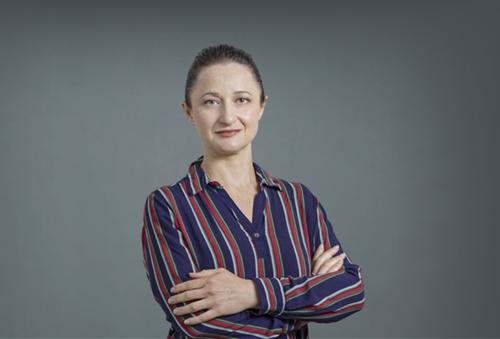
With over 15 years' experience and a Master's in OT from Mercy College, Tatyana became a Certified Hand Therapist in 2018. Her expertise spans traumatic hand/wrist injuries, post-operative rehab, fine motor challenges, and splint design.
She started her career at Brooklyn Hospital and Park Sports PT, then led the OT department at Back to Health PT, and served as Senior OT at NYU Langone Hand Center — collaborating closely with some of the foremost hand and orthopedic surgeons in NYC.
With a reputation for personalized, integrative care, Tatyana has successfully guided countless patients through some of the toughest rehabilitation journeys.
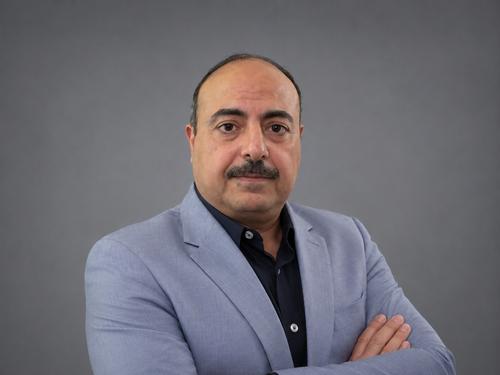
With over 30 years of experience across hospitals, clinics, and home care, Medhat brings exceptional depth to patient treatment at every age — from children to older adults.
He specializes in orthopedic rehabilitation, neurological recovery, pre- and postpartum exercise programs, pelvic floor therapy, and sports injury care. As an academic lecturer and PhD holder in ergonomics and biomechanics, he brings a strong focus on injury prevention, posture, and movement efficiency.
His philosophy is simple: every patient deserves individualized care that restores function, reduces pain, and promotes confidence in daily life.
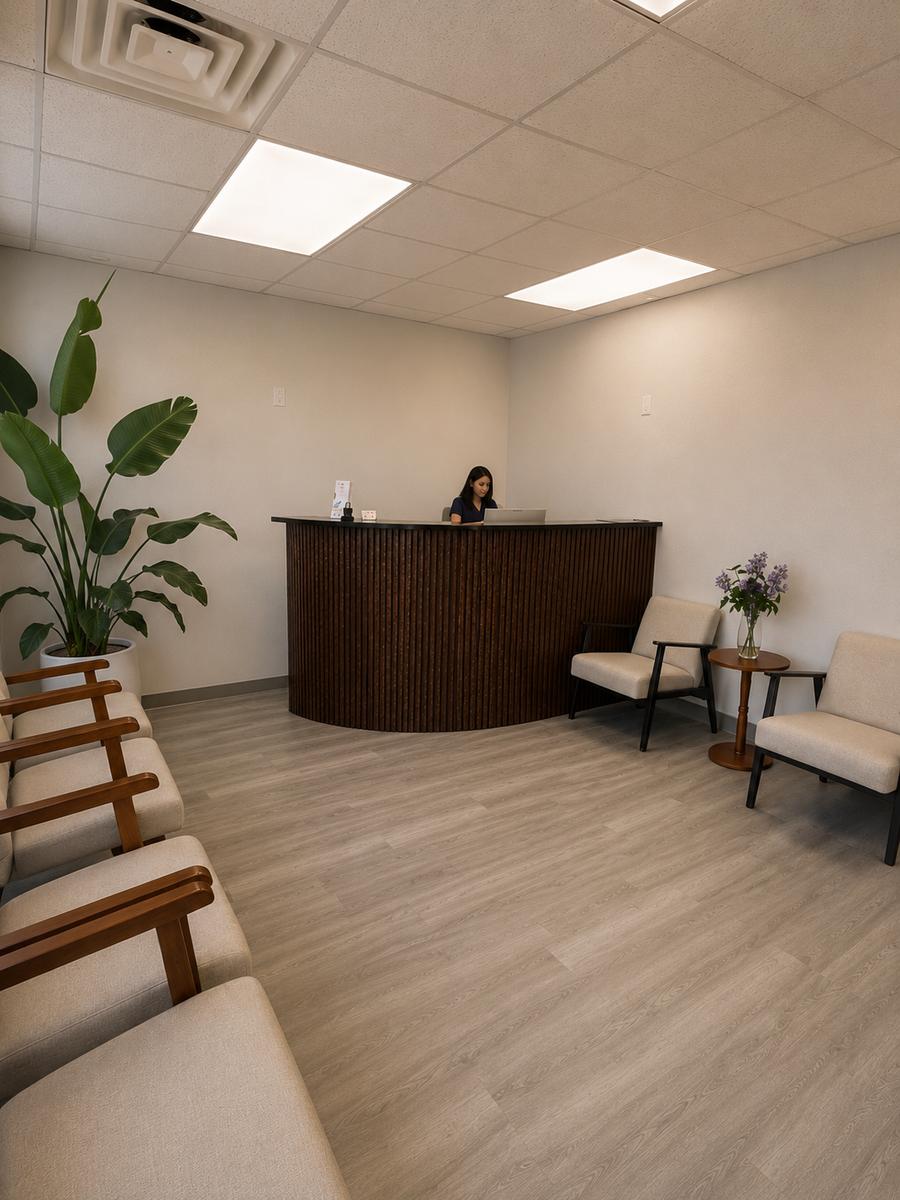
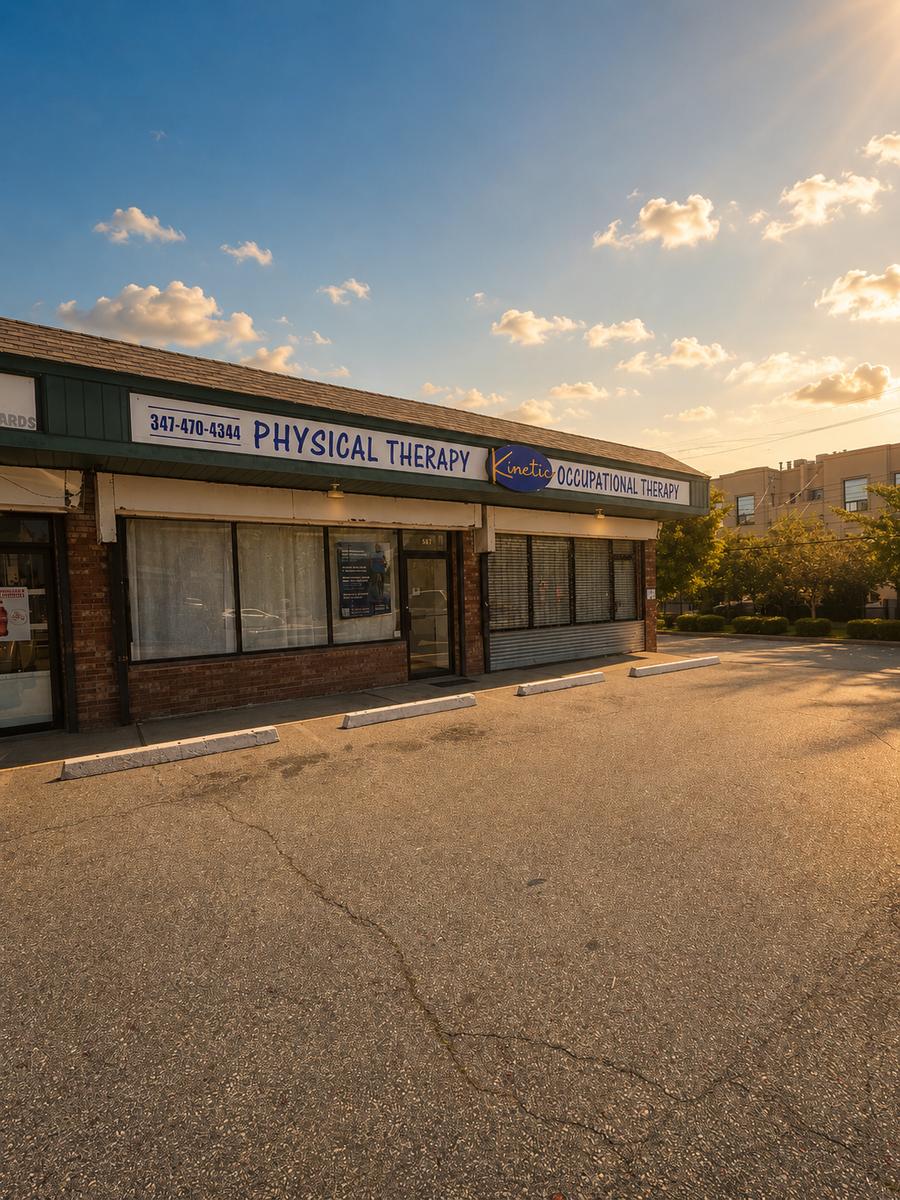
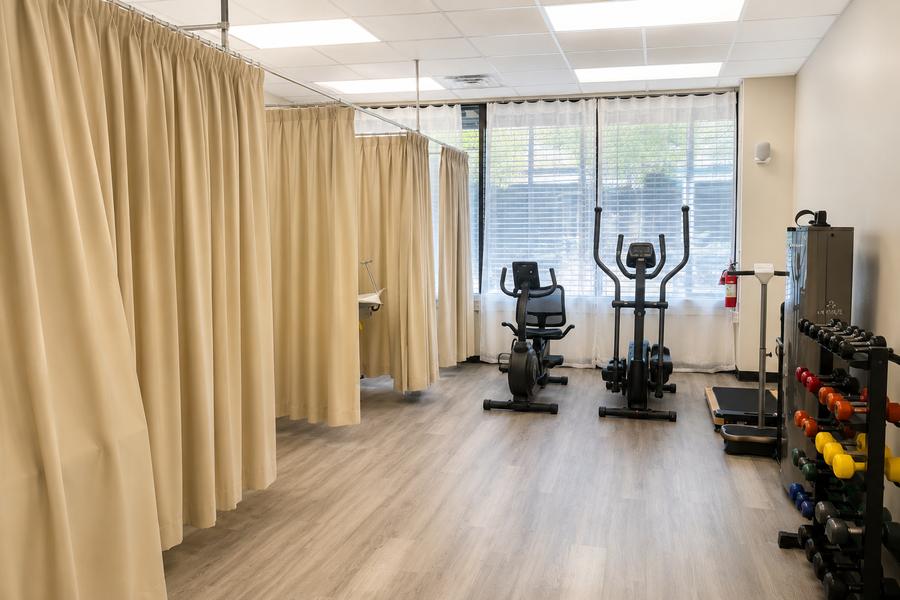
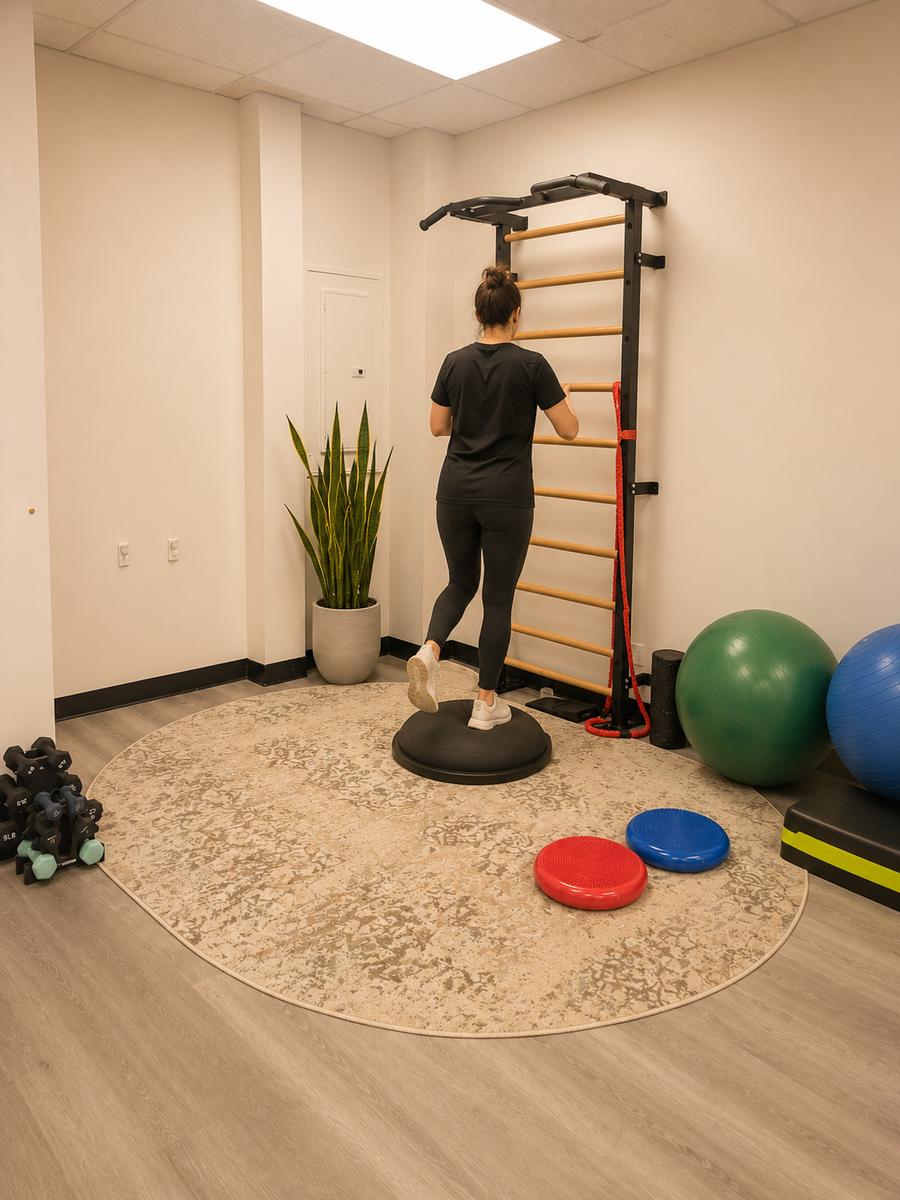
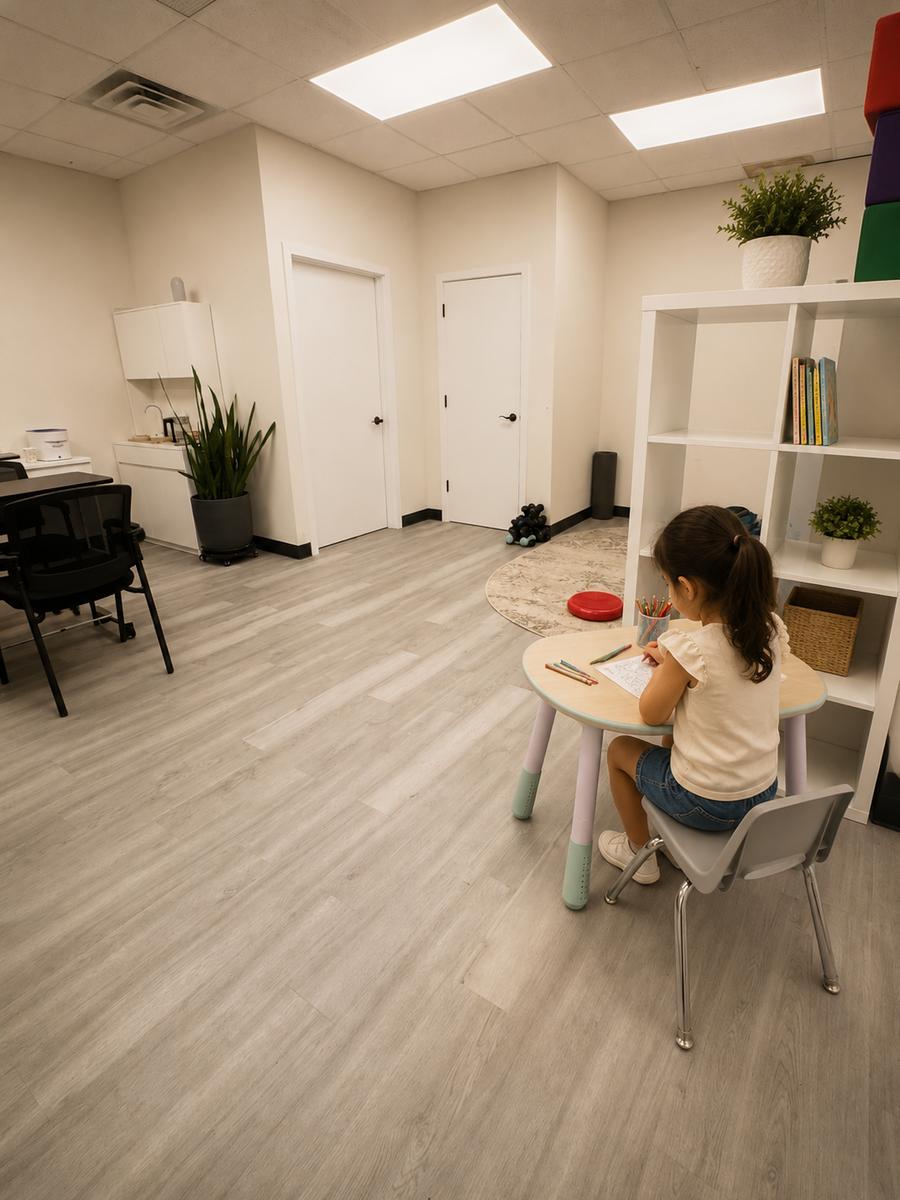
Visit us at our modern, comfortable clinic in Staten Island — designed with your recovery in mind.


We accept most major insurance plans. Below are the providers we currently work with — contact us to verify your specific coverage.
Simple explanations of common conditions we treat — so you know what to expect before your first visit.
Numbness, tingling, or weakness in your hand? Here's what's happening and how hand therapy can help.
Carpal tunnel syndrome happens when the median nerve, which runs from your forearm into your hand, gets compressed at the wrist. It often causes numbness, tingling, or weakness in the thumb, index, and middle fingers — especially at night or after repetitive hand use.
Treatment usually starts conservatively: custom splinting to keep the wrist in a neutral position, nerve gliding exercises, and activity modification. Our Certified Hand Therapist creates a personalized plan based on the severity of your symptoms, often avoiding the need for surgery altogether.
If you've had carpal tunnel release surgery, hand therapy afterward helps restore strength, reduce scar tissue, and get you back to daily tasks safely.
Most back pain improves with the right movement — not bed rest. Here's how to know when it's time for therapy.
Lower back pain is one of the most common reasons people seek physical therapy — and one of the most treatable. While a day or two of rest is fine, prolonged inactivity can actually slow recovery.
You should consider seeing a physical therapist if pain lasts more than a few days, limits your daily activities, radiates down your leg, or keeps coming back. A thorough evaluation identifies the root cause — whether it's muscle strain, disc irritation, or poor movement patterns — and builds a plan around it.
Treatment typically combines manual therapy, targeted strengthening, and posture education to relieve pain and prevent it from returning.
From handwriting to handling emotions — OT helps kids build the skills they need for everyday life.
Pediatric occupational therapy supports children who are struggling with the everyday tasks of childhood — handwriting, using scissors, getting dressed, or managing sensory input in a busy classroom.
Therapy looks like play: building with blocks to develop hand strength, drawing games to refine pencil grip, or structured activities to support focus and coordination. Each session is designed to feel natural to the child while targeting specific developmental goals.
Early support can make a meaningful difference — helping children gain confidence, independence, and the foundational skills they'll use for years to come.
Surgery is just the first step. Here's how guided rehab gets you back to full strength safely.
Whether you've had a meniscus repair, ACL reconstruction, or knee replacement, the weeks after surgery are critical for a successful recovery. Early, guided movement helps reduce swelling, prevent stiffness, and protect the healing tissue.
Recovery generally moves through phases: restoring range of motion first, then rebuilding strength, and finally retraining balance and functional movement — like climbing stairs or returning to sport.
Every recovery timeline is different. Your therapist works closely with your surgeon's protocol to make sure each phase is safe, effective, and moving you toward your goals.
Both cause elbow pain — but for different reasons. Here's how to tell them apart and treat them.
Despite the names, you don't need to play tennis or golf to develop these conditions. Tennis elbow (lateral epicondylitis) causes pain on the outside of the elbow from overuse of the wrist-extending muscles — common with repetitive gripping or typing. Golfer's elbow (medial epicondylitis) causes pain on the inside of the elbow from overuse of the wrist-flexing muscles.
Both respond well to conservative treatment: activity modification, targeted stretching and strengthening, and sometimes a brace to offload the tendon while it heals.
Our therapists assess your specific movement patterns to identify what's driving the irritation — not just treat the symptom — so the pain doesn't keep coming back.
Falls aren't just "part of getting older." Here's how targeted training reduces your risk.
Balance naturally changes with age, but a fall isn't inevitable. Vision, inner-ear function, muscle strength, and reaction time all play a role in keeping you steady — and each one can be trained.
A physical therapy evaluation identifies your specific risk factors, whether that's weak hip muscles, slowed reaction time, or inner-ear (vestibular) issues. From there, your therapist builds a program of targeted exercises — often including standing on unstable surfaces, walking pattern drills, and strength work for the legs and core.
The goal isn't just to prevent a fall — it's to help you move through daily life with confidence.
Not all therapists are the same. Here's what makes a CHT's training and expertise different.
Certified Hand Therapists (CHTs) are highly specialized professionals with extensive training and expertise in treating conditions of the upper extremity — including the fingers, hands, wrists, forearms, elbows, and shoulders.
Advanced Training: CHTs undergo rigorous education beyond general occupational or physical therapy. They must complete a minimum of three years of clinical experience and pass a comprehensive certification exam, while staying current with new treatment techniques.
Expertise in Complex Cases: CHTs are adept at managing complex injuries and post-surgical cases, ensuring a high level of care for conditions that require specialized knowledge and skill.
Personalized Treatment Plans: With their deep understanding of upper extremity anatomy and rehabilitation, CHTs develop tailored treatment plans that address each patient's specific needs and goals.
Improved Outcomes: Studies show that patients treated by CHTs often experience better functional outcomes and faster recovery times, thanks to their focused expertise and targeted therapy techniques.
We collaborate with leading medical specialists to ensure our patients receive comprehensive, coordinated care.
Real stories from people who've experienced the Kinetic difference.
Two convenient locations in Staten Island and Brooklyn — ready to help you on your recovery journey.
Ready to start your recovery journey? To schedule an appointment, please call us or send us an email — our team will find the best time that works for you.